
Welcome back to The Grant Catalyst, your deep dive into the mechanics of high-impact funding. While the technical "how-to" of a grant is essential, we’re shifting our focus from the digital portal to the human connection. In a landscape where AI can draft a narrative in seconds, the true differentiator in 2026 isn't just a polished proposal - it’s also time to factor in the depth of the bridge you’ve built with your funder.
In this installment, we’re moving from the engine room of your systems to the living room of your relationships. Being "grant-ready" only gets you to the starting line, and in today’s hyper-competitive landscape, having a perfect application is simply the bare minimum. To actually secure transformative awards, you need to be connected.
Strategy Spotlight
The funding landscape of 2026 is defined by a paradox: we have more digital tools than ever, yet human connection has never been more valuable. As we move further away from the pandemic era, the "one-size-fits-all" grant application is dead. Today, funders are looking for partners who understand systemic agility and radical transparency.
In the modern funding environment, strategic grant-seeking is less about the cold call and more about the warm introduction. When you consider that A LOT of foundations refuse to even look at an application unless they’ve specifically asked for it, relying on merit alone is a losing gamble. The old adage of "who you know" has evolved from a social advantage into a rigorous professional requirement. To be truly strategic in 2026, your organization should prioritize building a bridge of trust long before you ever attempt to cross it with a funding request.
5 Strategic Tips for Building Funder Relationships in 2026
1. Practice "Radical Transparency" through Digital Paper Trails
In 2026, funders are wary of "impact washing." Don't wait for the annual report to show your worth. Invite potential funders to join your monthly impact newsletter or follow a specific "Behind the Scenes" LinkedIn series.
-
The Goal: Move from a stranger to a known entity before you ever hit SUBMIT on an application.
2. Leverage AI for Hyper-Personalization (But Keep the Soul)
Use AI tools to analyze a funder’s past 990 forms and public statements to find deep alignment, but ensure your outreach is human. Use these insights to ask sophisticated questions: "I noticed your shift toward climate resiliency in urban corridors; how does your board view the intersection of that with local workforce housing?"
-
The Tip: Never send an AI-generated template. Use AI for research, but keep the communication 100% personal.
3. Shift to Trust-Based Networking
One of this year's trends is Trust-Based Philanthropy. This means moving away from the "transactional" nature of grants. Join regional nonprofit associations and multi-sector "action tables" where funders sit as peers, not just as check-writers.
-
The Strategy: Invite a program officer to a "Learning Circle" or a site visit where there is no active solicitation. Build the relationship when you don't need the money.
4. Audit Your Social Media Proof
Before a funder meets you, they will Google you. In 2026, your "connection" starts with your digital footprint. Ensure your GuideStar/Candid profile is at the Platinum Seal of Transparency level. Funders use these databases as a shortcut to verify if you are a "safe" connection.
-
Source: Candid (formerly GuideStar) reports that organizations with a Platinum Seal receive, on average, 53% more contributions than those without.
5. Activate Connector Boards
In addition to asking your board members for money, start asking them for introductions. A warm introduction from a peer is the only way to bypass the "no unsolicited proposals" gatekeeper. Map your board’s LinkedIn connections against your top 10 target foundations.
-
The Action: Host an event like a Connection Coffee, where a board member introduces a program officer to your Executive Director, with no strings attached.
Why These Connections Matter More Than Ever
In 2026, a personal connection is one of the strongest strategies to bypass the digital noise and automated screening tools that now dominate the grant-seeking process. As more foundations shift toward invitation-only models, a pre-existing relationship transforms your organization from a nameless PDF into a trusted partner, ensuring your mission is actually seen by decision-makers rather than lost in an inbox. The organizations that thrive will be those integrated into a web of mutual support. These connections will provide:
-
Access to Expertise: Funders often have a bird's-eye view of the field and can connect you to partners you didn't know existed.
-
Stability in Volatility: When the economy shifts, or administrations change, funders stick by the leaders they trust, not just the programs they like.
The Bottom Line: Don't be the friend who only texts when they need a favor. Invest in the relationship today, so that when the 2026 grant cycle opens, you aren't just a name on a screen - you're a trusted partner.
Case Studies
Ever wonder if relationships with funders matter or make a difference? This CASE STUDY explores how strong relationships are the key to securing long-term funding, expanding on research featured in the GPA Journal. In the competitive landscape of institutional philanthropy, the data increasingly suggests that the strength of a grant professional’s network is just as critical as the technical precision of their narrative. By analyzing specific success stories and funding outcomes, this study illustrates how intentional relationship-building - both with internal stakeholders and external foundations - serves as the primary catalyst for long-term grant success. We delve into the "human element" of the grant lifecycle to demonstrate how trust and transparency transform a one-time award into a legacy of recurring support.
Featured Grants
Here are a few relevant and timely grant opportunities across different sectors that might be of interest:
The Brave Heart Foundation. Grant Amount: Up to $5,000. Deadline: March 30, 2026. The Brave Heart Foundation exists to support programs that assist underserved populations, with special emphasis on children and families through education, health and wellness, and grassroots community action.
Truman C. Kuehn Charities Grant. Grant Amount: Up to $10,000; Deadline: April 01, 2026. Funder supports a variety of charitable causes primarily in San Diego County, California, in the following program areas: arts, culture, and humanities; education; environment, animals; health; human services; public/society benefit; and religion.
O’Reilly Automotive Foundation Grant. Grant Amount: Varies. Deadline: April 15, 2026. The Foundation supports organizations and programs that address critical issues to improve the quality of life for underserved and underrepresented individuals and families. In particular, the Foundation will concentrate its giving on organizations and programs that address economic stability and mobility, workforce development, health and social services, and disaster relief.
Lawrence Foundation Grant. Grant Amount: Up to $10,000. Deadline: April 30, 2026. The Lawrence Foundation is a private family foundation that makes grants to support environmental, human services, and other causes. General operating or program/project grant requests within their areas of interest are accepted.
TIP! One of the databases we use is Instrumentl. It’s robust and provides plenty of opportunities for you to research and build your grant pipeline. Want to give it a try? Try Instrumentl free for 14 days: https://www.instrumentl.com?grsf=4b33ig
Impact Stories
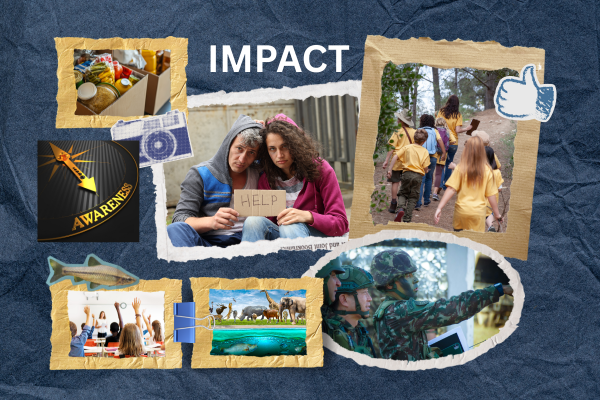
Grant development is a unique craft where the written word becomes the primary tool for driving positive change in our communities. It's more than just filling out forms; it’s about taking a good idea—a project to support students, seniors, or vulnerable families—and translating its actual need and potential impact into a compelling narrative. When successful, those carefully written words secure the funding that breathes life into essential programs, directly supporting and uplifting the people who need it most. We see ourselves as advocates, using language to bridge the gap between resources and those dedicated to making a real difference.
Watch one of our award videos here!
Q&A Corner - Get Your Frequently Asked Questions Answered
Q: What is the difference between a "Letter of Intent" (LOI) and a full grant proposal?
A: An LOI is a brief, 1–3 page "pitch" used to see if a funder is interested in your project before you invest weeks into a full application. Think of the LOI as the first date and the full proposal as the formal partnership agreement; you use the LOI to save time for both your team and the foundation’s staff.
Q: What is the "indirect cost rate," and should we include it in our budget?
A: The indirect cost rate covers the "overhead" (like accounting and HR) required to run a program. In 2026, many funders have moved toward a Trust-Based model, allowing for indirect costs of 15% or even 20%. You should always include this if allowed, as it ensures the true cost of the work is covered, not just the front-facing activities.
That's all for this month, folks! Remember, we're stronger together. Keep engaging, keep learning, and keep growing.
Until next time, Team GCS signing off!
Responses